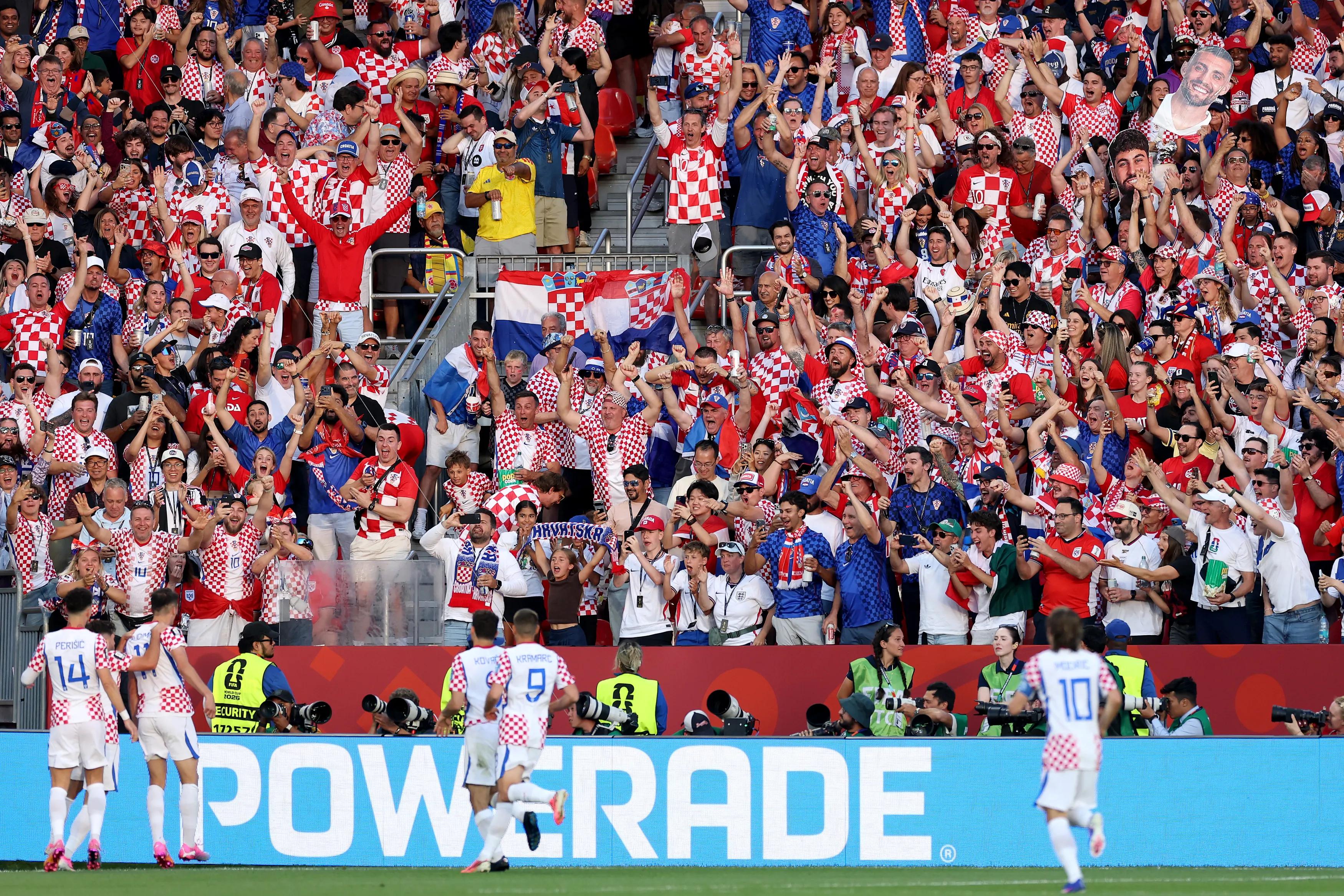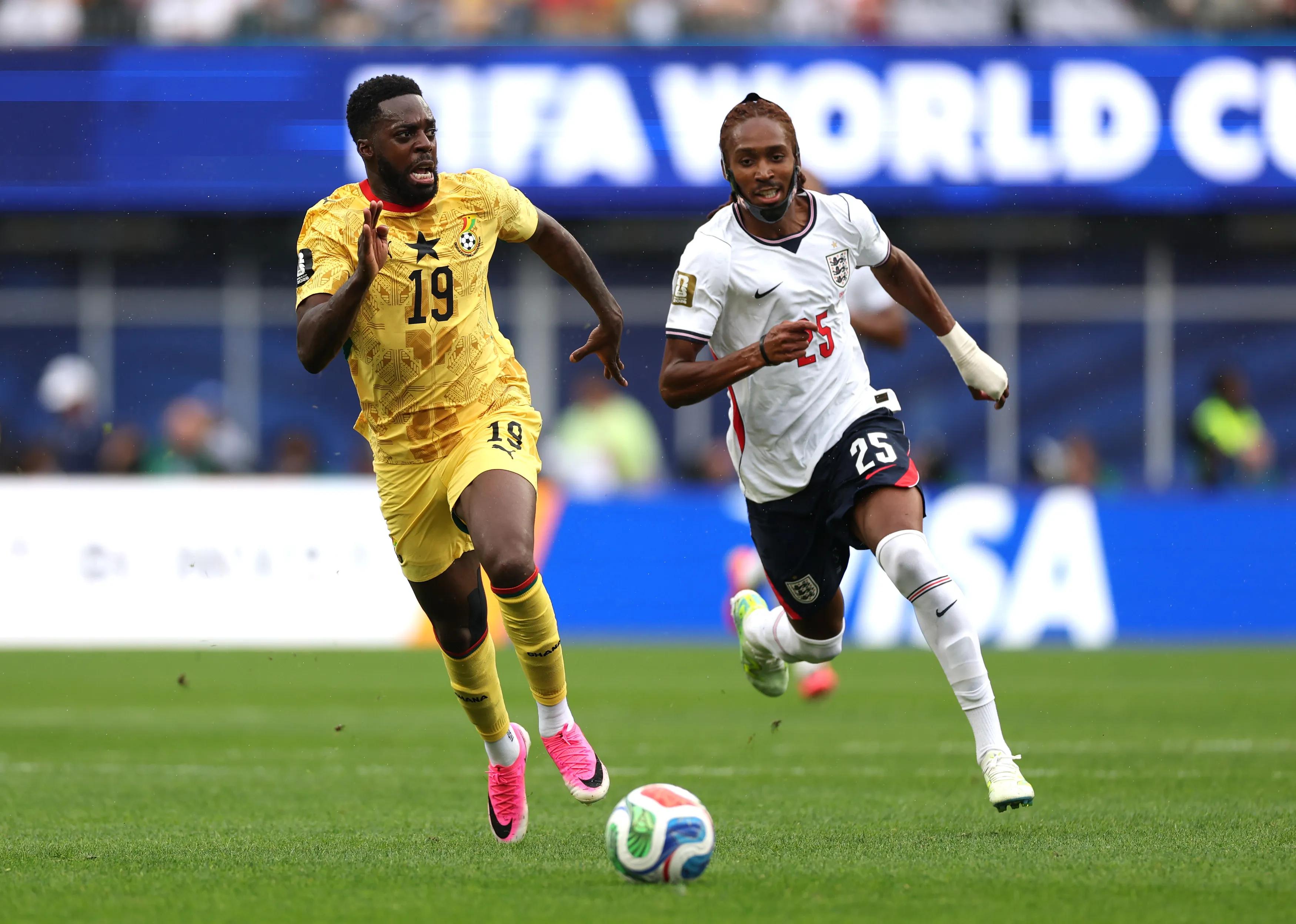
The ball hit the net in the 94th minute, and a nation exhaled — Canada, the co-hosts, the debutants of 2022 reborn, had punched their ticket to the Round of 16 with a dramatic late winner that rewrote the 2026 tournament's emotional landscape. In that single, searing moment, the dark horse narrative did not merely begin; it detonated, and the aftershocks are still being felt across North America and beyond. Canada's qualification was not a cautious, grind-it-out affair. It was brazen, theatrical, earned in the crucible of stoppage time when lesser sides would have settled for a draw and the muted applause of respectability. That refusal to accept the comfortable outcome is what transformed them from amiable hosts into genuine dark horse standard-bearers. Japan may sit on the altar of "most likely to win it all," Morocco may carry their own Cinderella credentials, and Paraguay may bring South American defiance — but Canada was the team that broke the seal, that proved this World Cup would reward courage over pedigree. The consequence of that breakthrough is bigger than Canada itself. Every underdog in the field felt the permission granted by the co-hosts' audacity. Hajime Moriyasu, watching from afar, surely recognized a kindred spirit when he later declared, "The goal is to win the championship" — a statement that only carries weight because Canada had already demonstrated that the impossible was on the menu in 2026. The Samurai Blue have been anointed the leading dark horse, but it was Canada's late winner that legitimized the entire premise. Now Canada enters the knockout rounds carrying more than national pride — they carry the origin story of this tournament's defining theme. Japan has the tactical sophistication, Morocco the structural discipline, Paraguay the scrapping soul, but Canada possesses the moment that ignited everything. The dark horse prophecy began with a stoppage-time strike, and the co-hosts' improbable run is far from finished.
"The cosmos aligns for triumph"