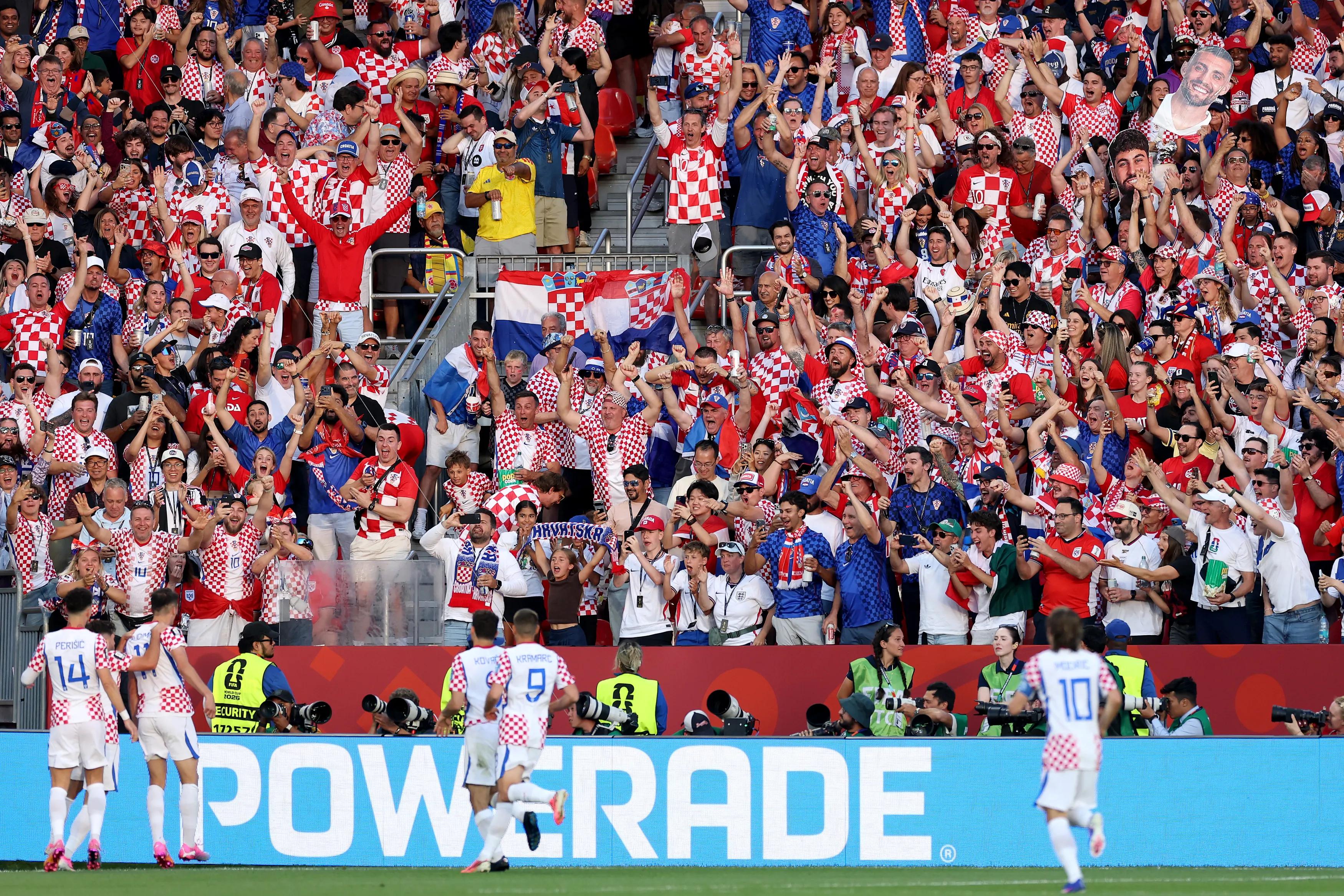
Canada's stoppage-time dagger that punched their Round of 16 ticket did more than ignite a host nation — it reminded every underdog that history rewards audacity, and no team in this tournament carries a richer upset pedigree than Japan. The Samurai Blue did not stumble onto the dark horse altar by accident; they earned it through years of felling giants when the world expected compliance. Rewind to 2018, when Japan led Belgium 2-0 in Rostov, only to be denied in the final breath of a counter-attack that became a tactical case study. Then 2022: victories over Germany and Spain in the group stage, each one a thunderclap that rearranged assumptions about global football's hierarchy. These were not flukes — they were repetitions of a pattern, evidence that Japan possesses both the tactical intelligence and psychological nerve to dismantle the elite. Canada's late winner opened the tournament's door; Japan's track record suggests they know exactly how to walk through it and keep going. Hajime Moriyasu, the man who orchestrated those very upsets, has now raised the stakes. "The goal is to win the championship," he proclaimed, a statement that would sound reckless from most but lands as measured ambition from a coach whose teams have repeatedly proven capable of the impossible. His Samurai Blue have graduated from plucky outsiders to credentialed dark horses — the difference is that the football world now expects them to shock, and still they deliver. Morocco will lean on their own Cinderella run from 2022; Paraguay will summon the spirit of past South American grit. But Japan's dark horse credentials are not nostalgia — they are an active, evolving resume. The upsets have compound interest: each one recalibrates what the squad believes is possible. Canada broke the seal of possibility in 2026; Japan arrives with a ledger of giant-killing that says the trophy itself is not beyond reach.
"The cards reveal destiny"