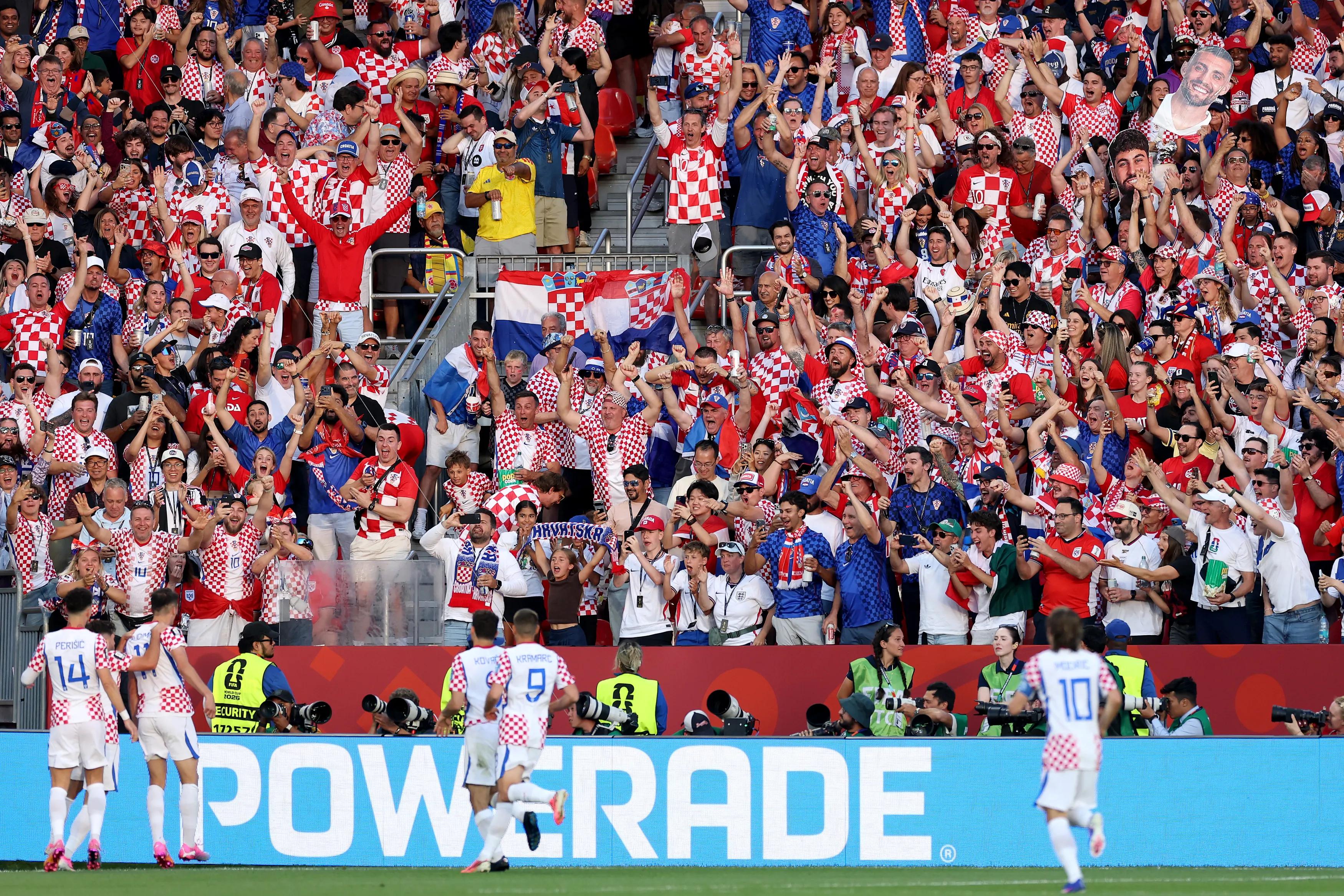
When Canada's last-minute winner shattered the stalemate and sent them bursting into the Round of 16, it was not merely a tactical result — it was a meditation on mental resilience, the same quality that has come to define Japan as the tournament's most psychologically formidable dark horse. While Morocco brings tactical discipline and Paraguay brings combative soul, the Samurai Blue's truest weapon is a refusal to accept defeat that borders on the spiritual. Football history is littered with talented sides that folded under pressure, teams whose technique evaporated the moment adversity arrived. Japan is the opposite — a side that grows sharper as the stakes climb, that presses harder when legs should be failing, that finds an equalizer in the 89th minute because the alternative is simply unacceptable to them. Canada's breakthrough proved that late drama belongs to those who refuse to stop believing; Japan has turned that belief into a repeatable competitive advantage, a mindset drilled by Hajime Moriyasu into the marrow of the squad. It is that mindset, perhaps, that emboldened Moriyasu to make his now-famous declaration: "The goal is to win the championship." From a coach whose teams have repeatedly snatched victory from the jaws of favored opponents, the words carry the weight of lived experience, not fantasy. His players do not blink when trailing; they do not wilt when favorites swagger. The mental architecture of this team is constructed to absorb pressure and convert it into fuel, a trait no scouting report can fully capture but every opponent feels. Dark horses usually ride emotion — a wave of momentum, a fortunate draw, a single heroic performance. Japan rides something sturdier: a cultivated psychological fortitude that has been tested against the world's best and held firm. Canada's late winner opened the tournament's imagination; Japan's unbreakable mind may be what carries them further than any dark horse has gone before.
"Beyond the veil, victory awaits"